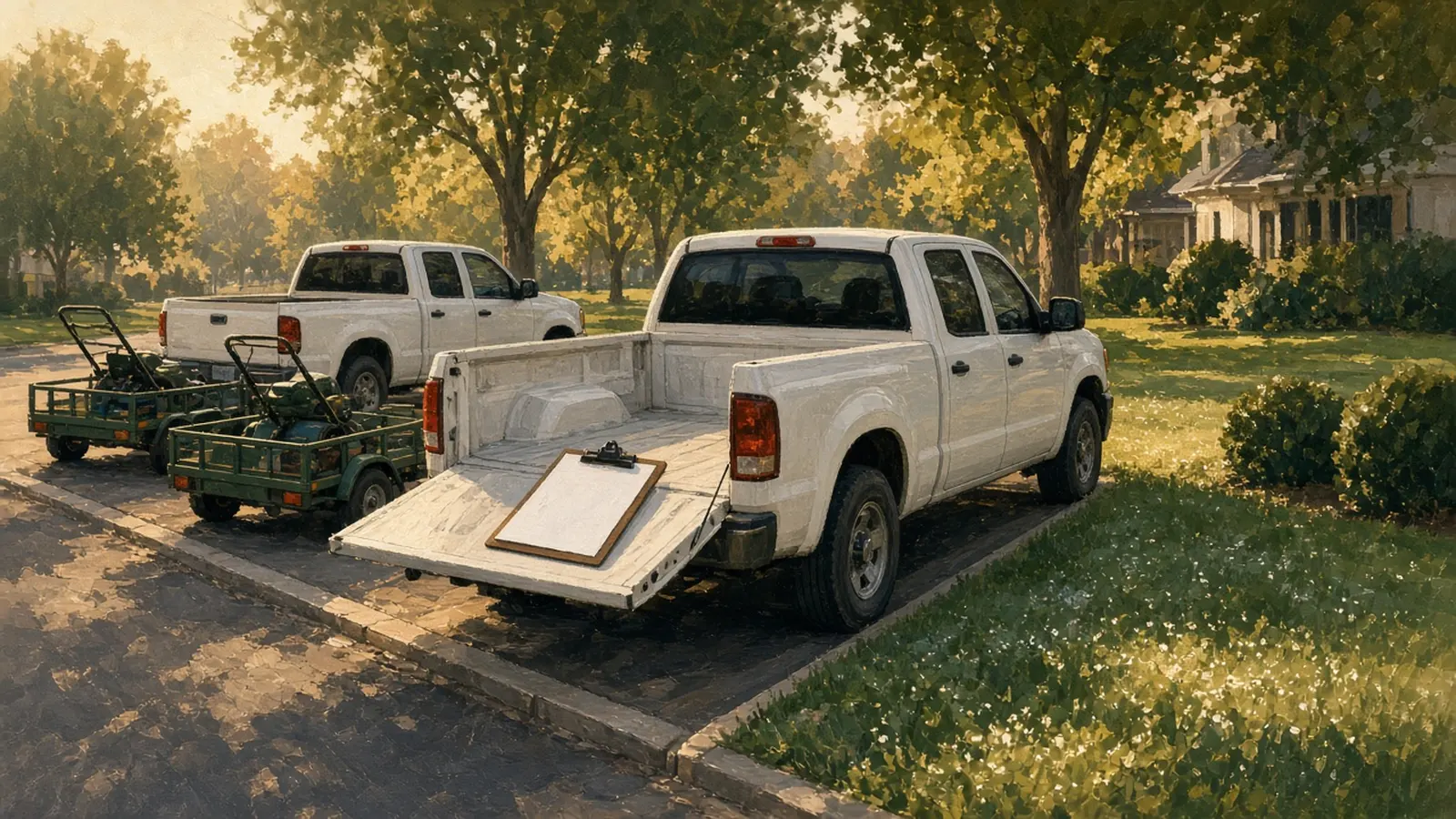
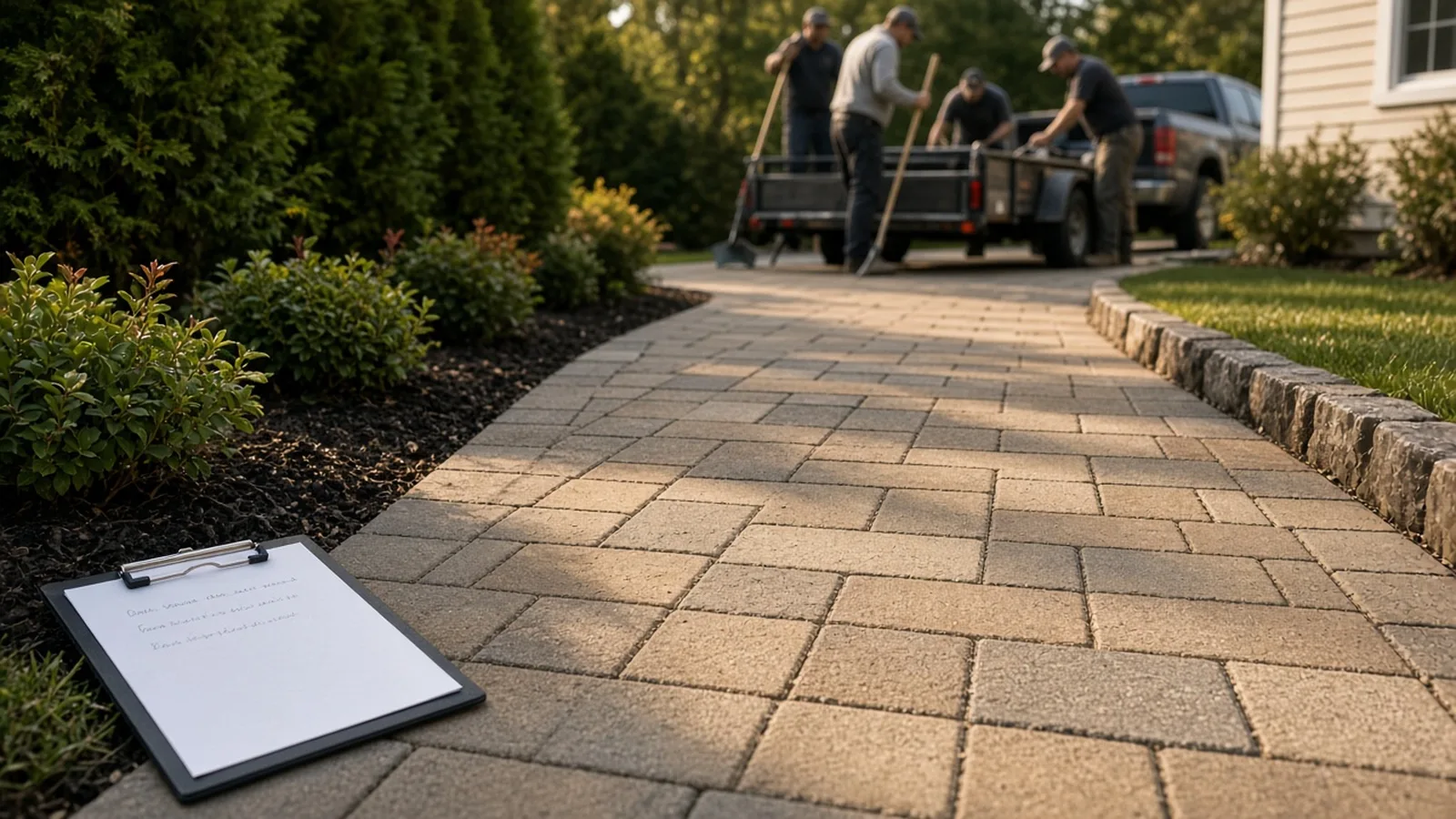
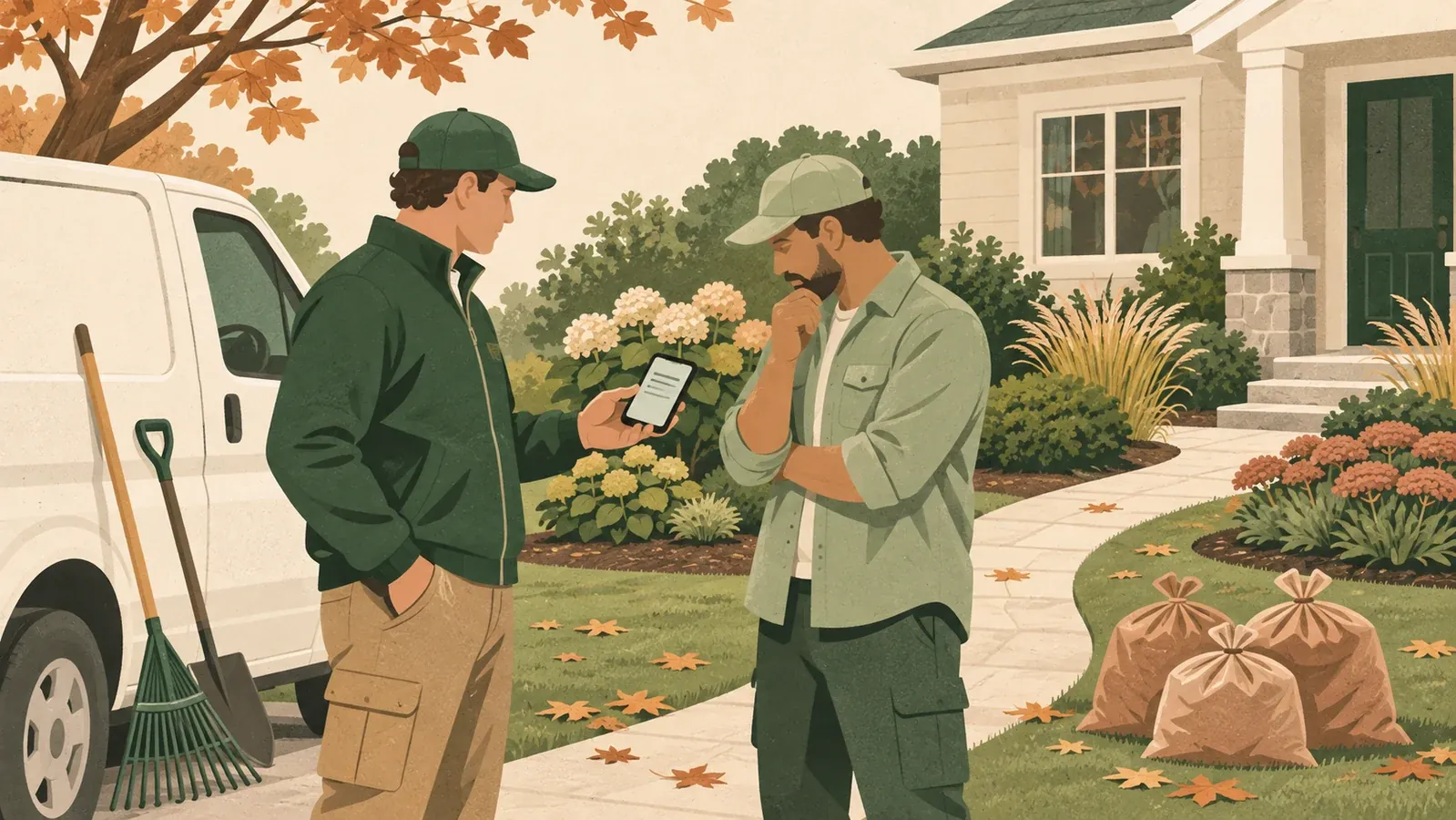
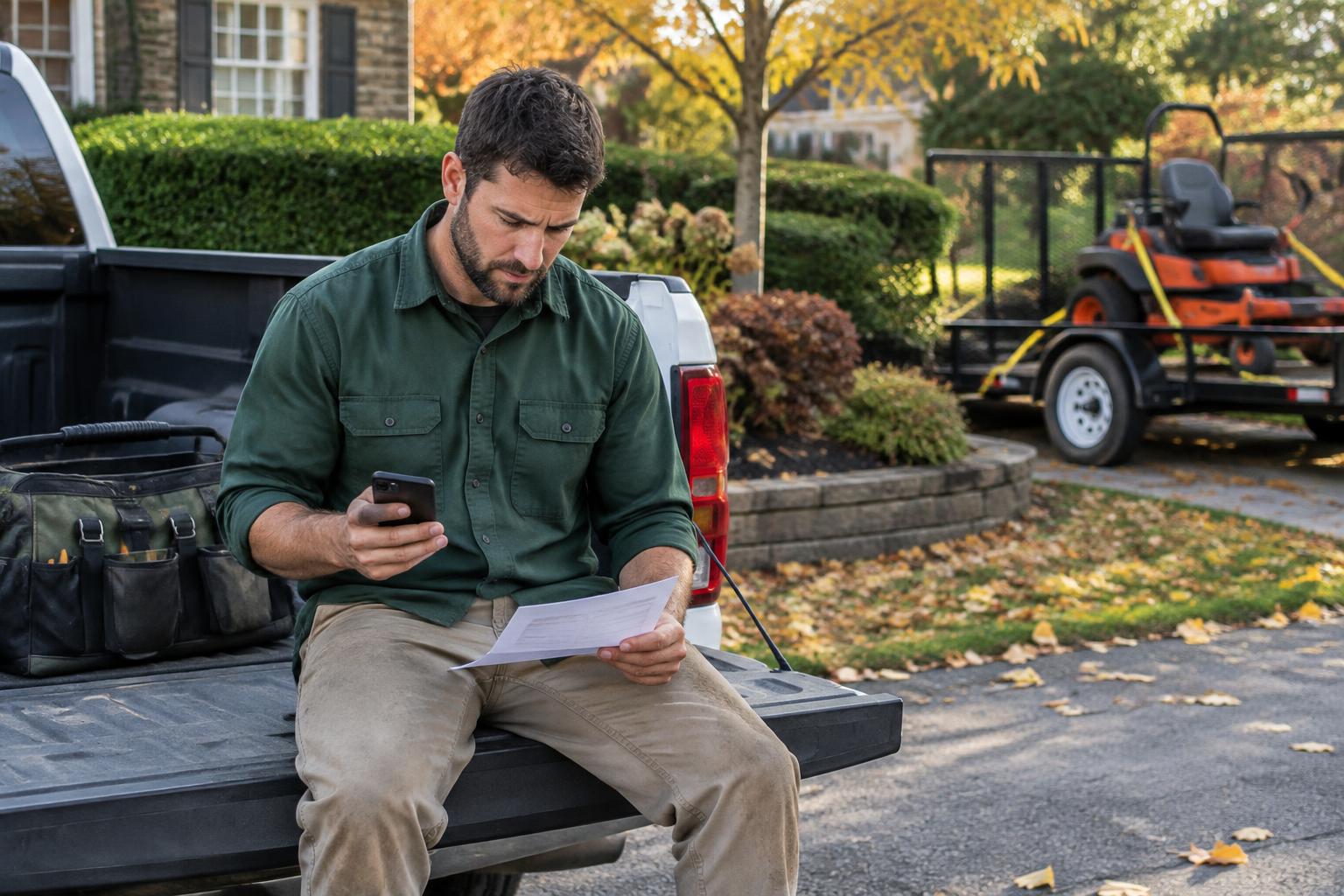
A second crew breaks the handoff before it breaks sales. Look at the record, the quote, the schedule, the instructions, and the hours. No published crew count says you must switch.
Read the article
Landscaping news & analysis
The Field Report
The stories changing the work: equipment, weather and the business of landscaping. A closer look at what happened, what remains uncertain and why owners should pay attention.
FOX5 Las Vegas reports that the Southern Nevada Water Authority will enforce nonfunctional grass removal in 2028, after a year of contact. The 2028 fee amounts are not in the story.
Colorado approved a summer cap on gas-powered commercial lawn equipment, with a timeline from 2027 to 2032. The map and the equipment list are narrower than a statewide ban.
A solo landscaper does not need a large system. Keep the quote, the visit, and the invoice on one trail, and leave a time clock until someone else is on it.
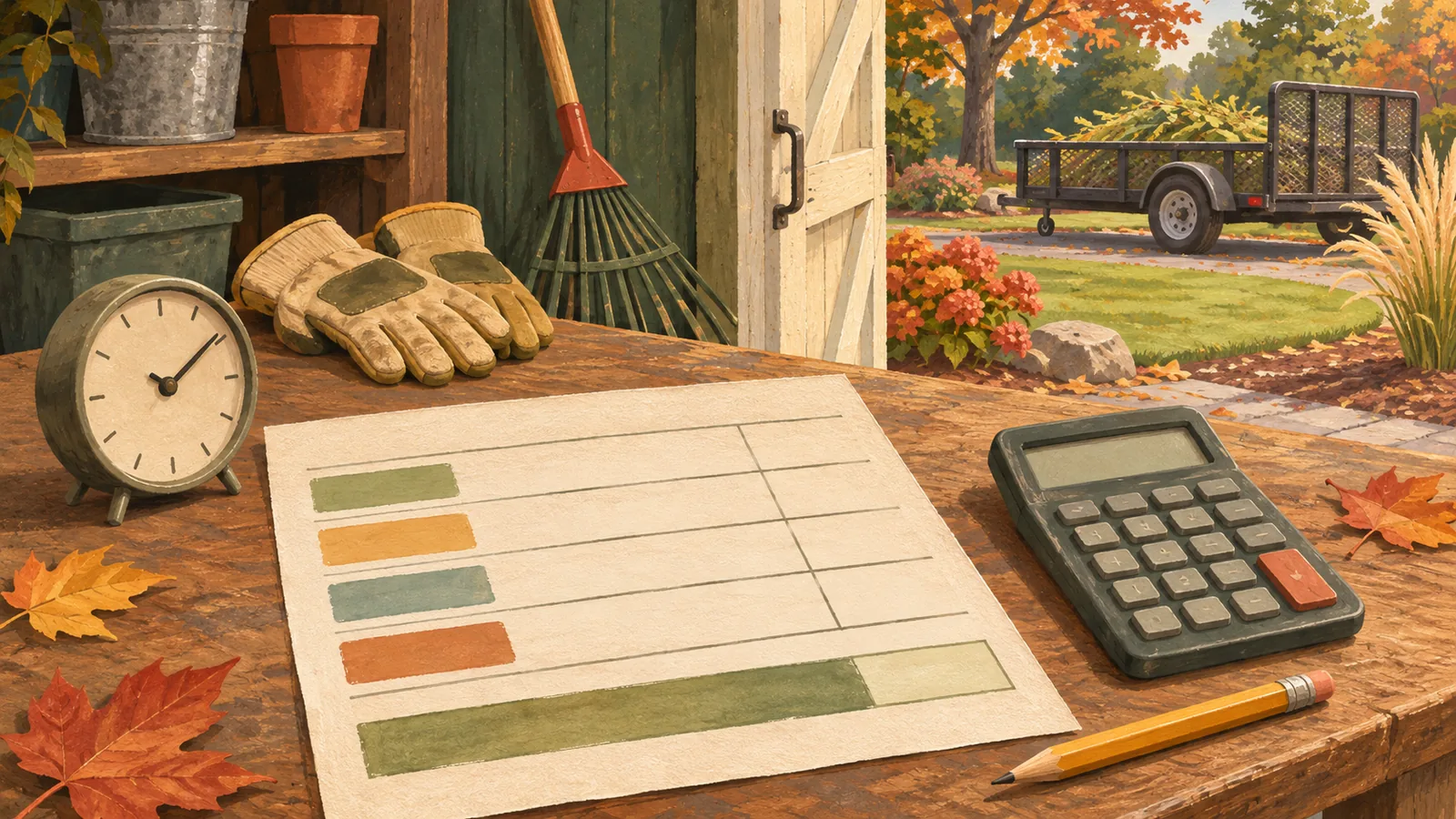
The number on the pricing page is the start of the bill. A five-line sheet turns a sticker price into a cost you can compare. The vendor pages were checked November 18, 2026.
Net 30 on every invoice is a habit, not a decision. Match the due date to the job, write the calendar date, and put the same sentence on the quote, the agreement and the invoice.
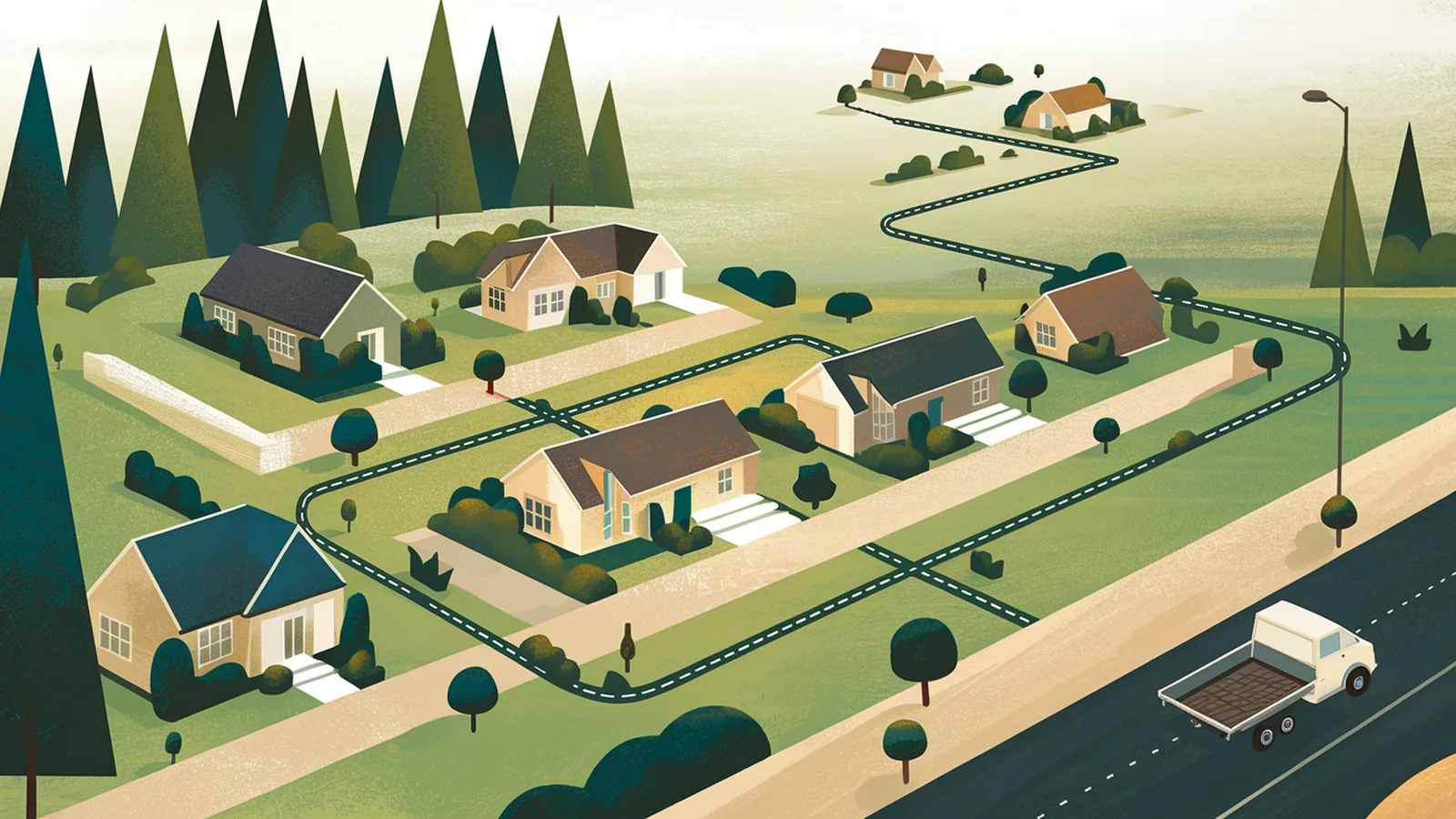
A full route is not the same as a healthy route. Score each route day on six lines, find the stops that drag it down, and decide what to rebalance, reprice or let go before renewals.
A $24 wage is not a $24 labor cost. Build a productive crew-hour rate, recover travel once, and turn cost into price with a worked example and copyable worksheet.
Revenue tells you which customers paid the most. Profit per crew-hour tells you which ones were worth the truck. A worksheet and a season review you can run this winter.
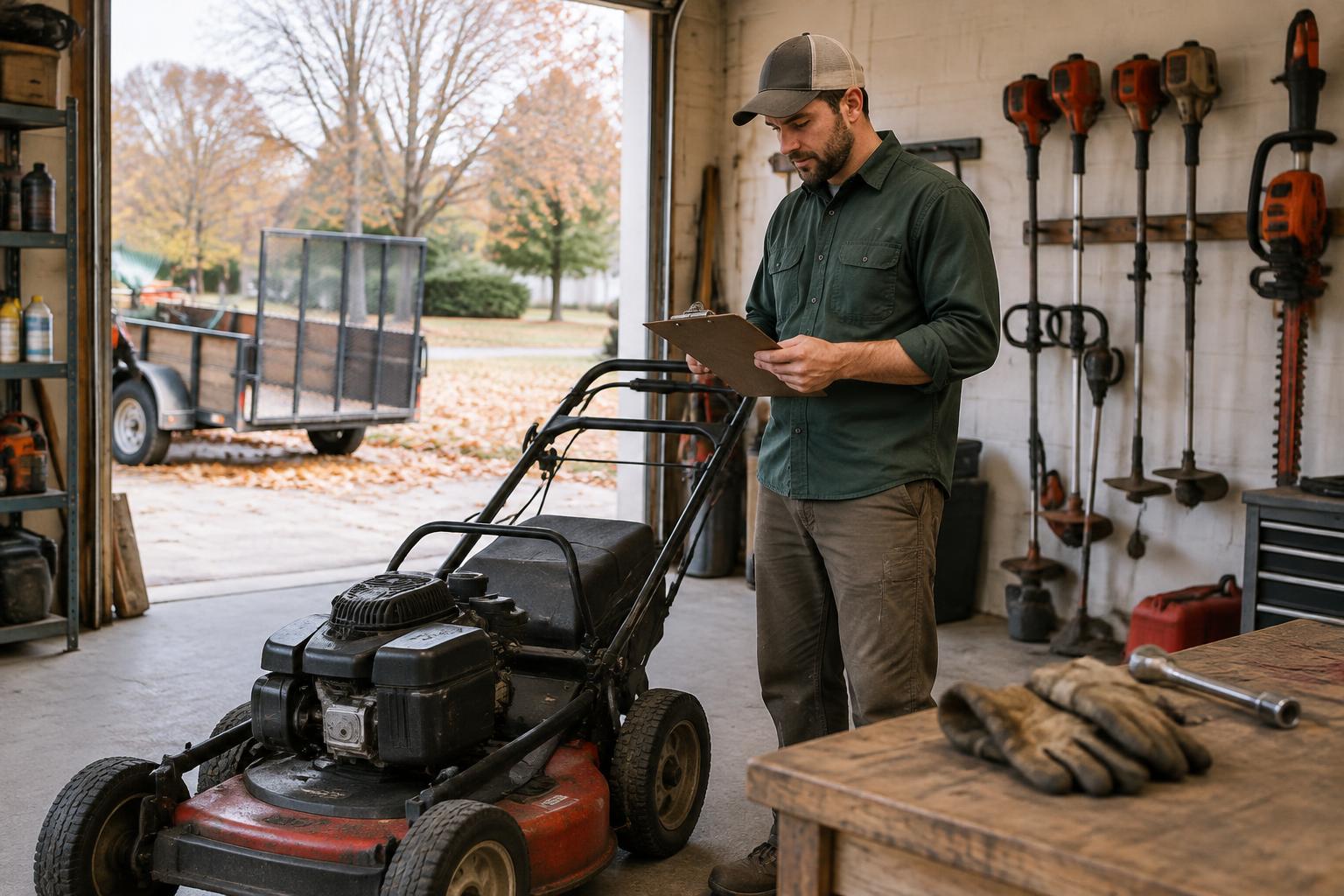
John Deere’s new 24-month parts warranty took effect November 1. Its own announcement gives turf parts a shorter term, and the details matter for owners who fix their own mowers.
A weather startup built around an owner’s early mornings, a mower that sharpens its own blades, and an acquisition that puts local service under a larger roof.
Most owners wait until March to ask customers back. By then the door hangers have had all winter. Here is how to renew next season's work while this season is still fresh.
One extra shrub. Another bed. A quick dump run. Small requests can quietly turn a profitable landscaping job into unpaid work—here’s how to handle them without an awkward conversation.
The job is finished, but the invoice is still sitting unpaid. A practical before-winter plan for sorting overdue balances, sending better reminders, and handling the awkward conversations.
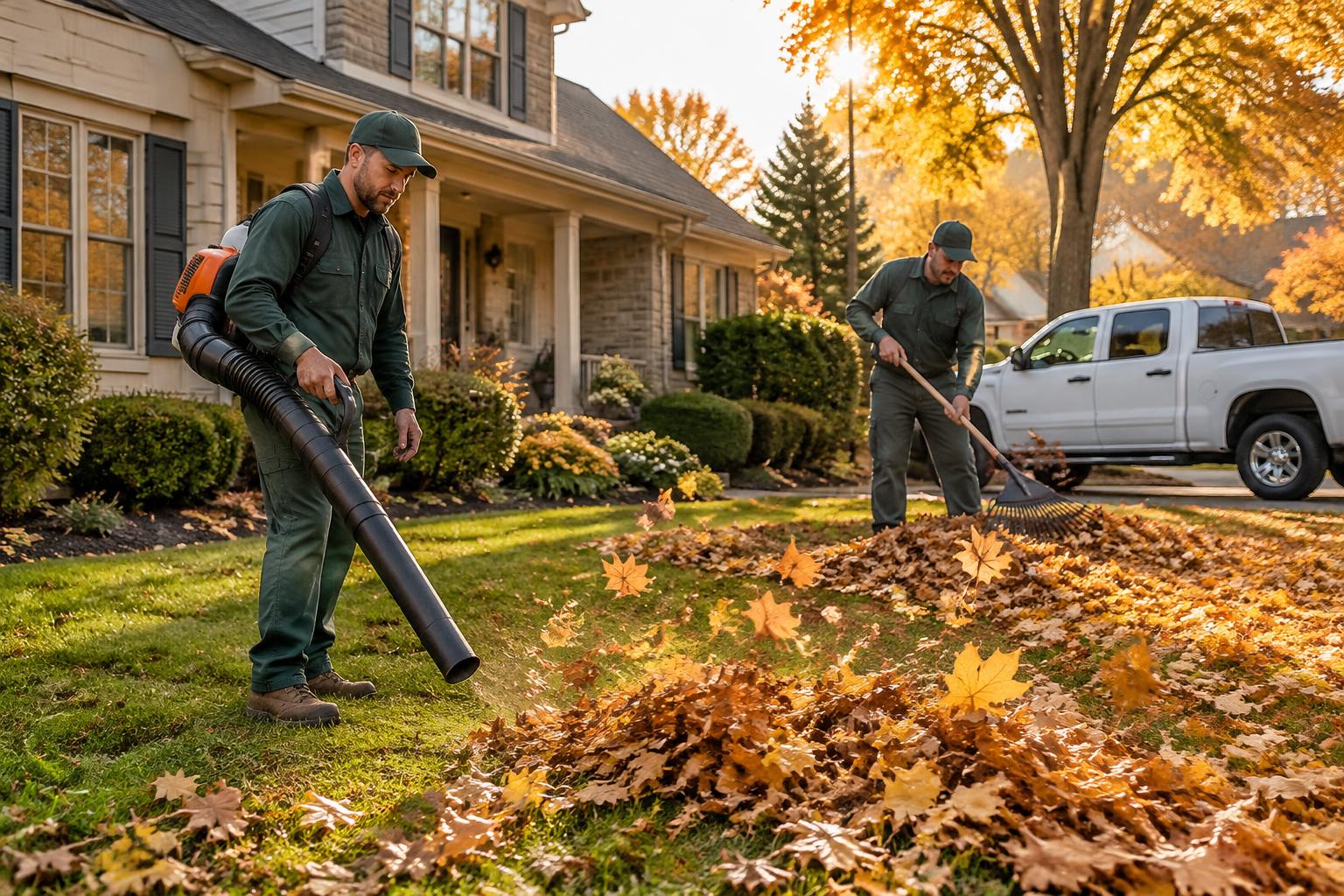
A driveway full of leaves can hide a day’s worth of unpaid work. Here’s how to quote fall cleanups clearly, keep crews moving, and finish the season without giving away your margin.
One-off jobs pay the bills. Recurring service agreements are what actually make a landscaping business worth building — here's how to get more of them.
Evaluate off-season landscaping services against demand, equipment, insurance and delivery costs. Use a small pilot before committing to another service line.
Your crews can spend a third of the day just driving. Here are five practical ways to tighten routes, cut fuel costs, and squeeze more jobs into every day.
Rain doesn't have to wreck your week. Here's how small landscaping crews build weather buffers, reschedule fast, and protect cash flow when storms hit.
Build a season price from the visits you expect and what each one costs. Worked example: 24 visits, $960 in costs and a 25% margin make a $1,280 season.
One-time jobs pay the bills. Maintenance contracts build a business. Here's how to structure, sell, and manage recurring landscaping agreements that deliver steady monthly income.
Hiring your first lawn care employee is one of the biggest steps you'll take as a business owner. Here's how to find good people, pay them right, and build a team that sticks around.
Seven habits that get landscaping invoices paid sooner: bill the day the work is done, itemize it, agree terms up front, and follow up at 3, 7 and 14 days.
Most lawn care companies struggle to grow because they rely on word of mouth alone. These 7 strategies help small landscaping businesses consistently add new customers every month.
Getting a new landscaping customer costs 5x more than keeping one. Here are 7 proven retention strategies that reduce churn and build recurring revenue.
Running your landscaping business from a stack of apps that don't talk to each other? Here's what software you actually need — and why all-in-one beats piecing it together.
Poor crew scheduling quietly drains your profit. These 7 landscaping scheduling tips help small crews run tighter routes, waste less time, and finish more jobs every week.
Make landscaping invoices easier to understand with clear scope, dates, approved extras and a consistent review process. Separate draft creation from sending and payment.
Ready to stop doing everything yourself? Here's exactly how to hire your first lawn care employee — from writing the job description to onboarding them so they actually stick around.
What to check so landscaping customers stay: property notes the crew can find, a message when rain moves a visit, clear invoices and your renewal rate.
Plan a landscaping business with a practical worksheet for services, costs, capacity and cash needs. Start with one realistic job and your own numbers.
Want to grow your landscaping company this year? These 7 proven strategies — from systemizing quotes to scheduling crews efficiently — help small landscapers scale fast.