How to Write a Landscaping Quote Customers Say Yes To
Measure the lawn first, itemize the work, name what is excluded, and make the next step obvious. A practical quoting process for landscapers.
By Verdis2 min read
A quote is often the first real piece of work a prospect sees from your company. Many customers ask two or three companies for a price, so the quote that is easiest to read, understand and accept often wins, even when the number isn't the lowest.
1. Measure before you write the number
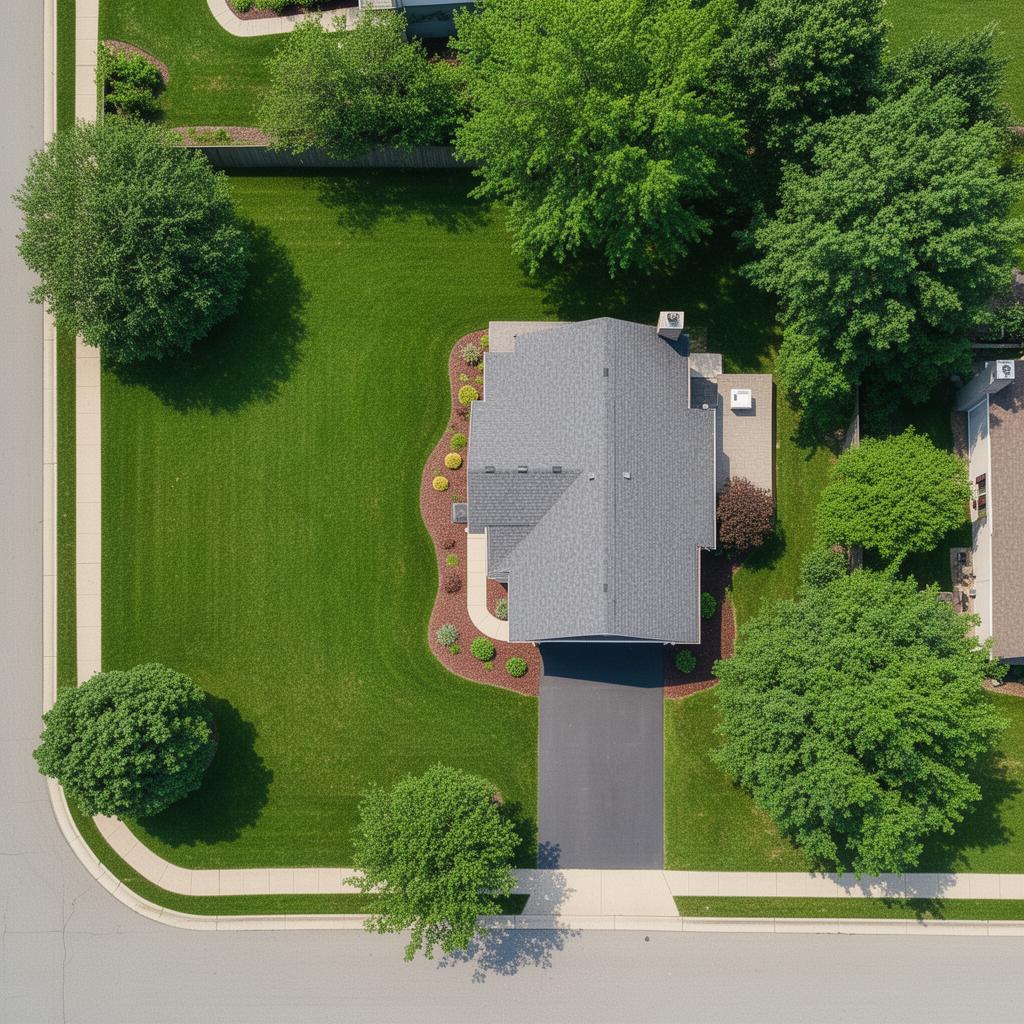
Estimating a lawn from the curb is how jobs get underpriced or padded. Measure the area first. In Verdis, TurfTrace traces the lawn over satellite imagery and totals the square feet and acres. The measurement saves to the property, so the next quote for that address starts from the same numbers. Your rates and what you see on site still set the final price, but you start from a measured area instead of a guess.
2. Show the work as separate lines
A single lump sum makes the customer ask what they are paying for. Break the job into lines a customer can picture: mowing, edging, mulch by bed, cleanup, fertilizer. When each line has its own price, a customer who balks at one item can still accept the rest, and you keep more of the work you priced.
Keep the list short enough to read on a phone. If a line needs a paragraph to explain, that explanation belongs in a scope note under the quote.
3. Say what is not included
Most quote disputes start with work the customer assumed was included. Write down what the price does not cover: debris haul-away, irrigation repairs, tree trimming above a set height, or anything you usually decline. One sentence per exclusion is enough. It turns a surprise on the invoice into a decision the customer made at the quote.
4. Make the yes easy to give
End the quote with one clear next step: accept it, reply to confirm, or book the first visit. Don't make the customer call to figure out how to say yes.
In Verdis, when a one-time quote is accepted, the job and a draft invoice are created with the same line items, so nothing needs retyping. The draft still needs your review before it goes out. Accepting a quote does not send an invoice or charge a card.
5. Follow up once
Many quotes are not rejected. They get buried under the customer's week. Send one short follow-up about three days later, and make it specific: the address, the service, and a time you can hold. If there's still no reply after that, close the quote so your pipeline reflects reality.
6. Track why jobs are won and lost
Note why each quote was accepted or lost, even in a few words. After a season, patterns show up. Maybe small jobs rarely close, or one exclusion keeps causing pushback. Those notes tell you where to change your price or your wording.
Read the guide to handling extra work as a change order
The bottom line
A good quote measures the lawn, shows the work clearly, names what is excluded, and makes saying yes simple. None of that requires a longer proposal. It requires a process you can repeat every time someone asks for a price.
Ready to measure your next lawn from the office? Start your free 14-day trial at https://app.getverdis.com/onboarding