You’re Probably Guessing Lawn Sizes. Here’s What It Costs You.
Eyeballing a lawn from the truck feels close enough. Run the math on one season and a small miss turns into real money. Here is how to check yours.
By Verdis3 min read

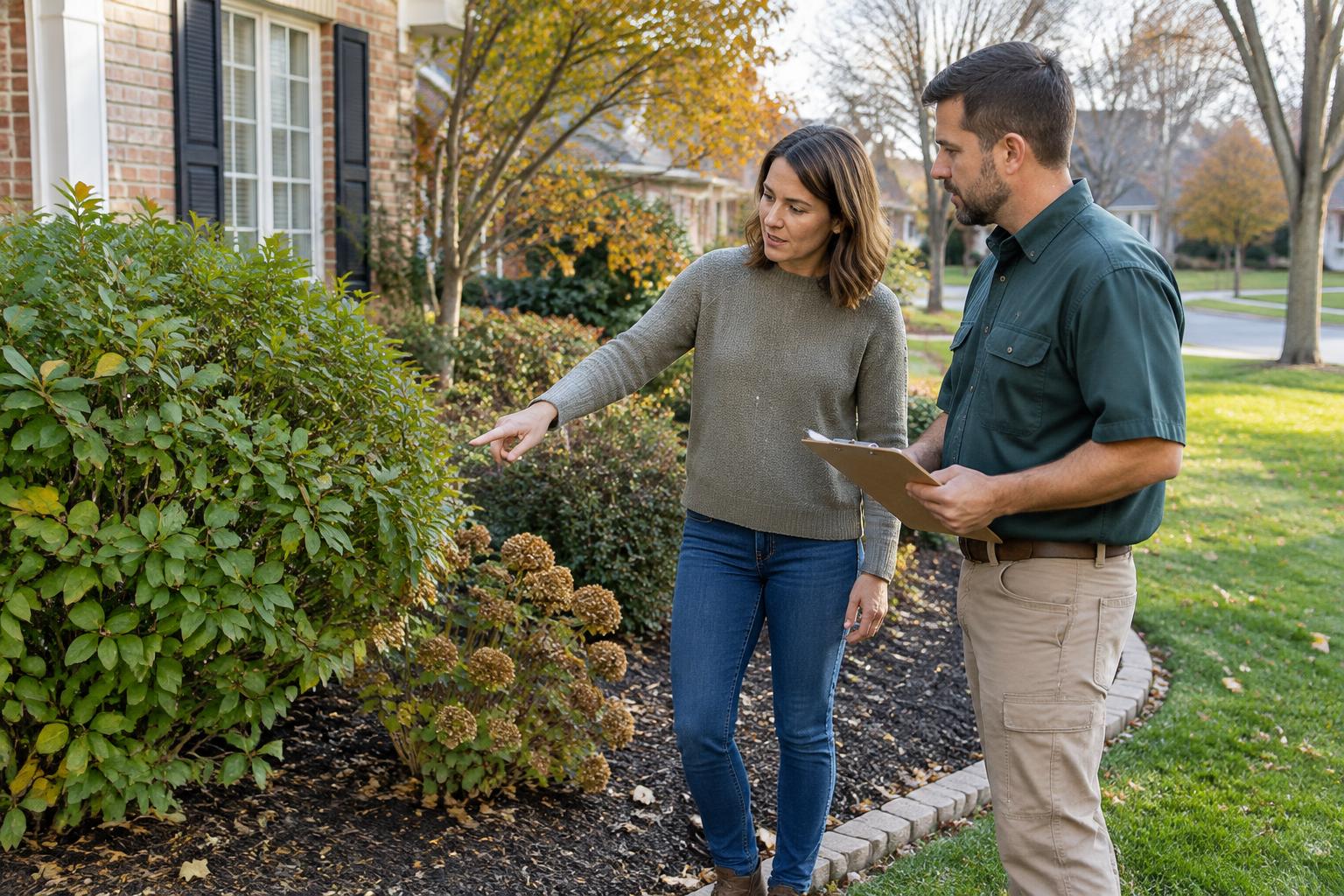
You pull up, look at the yard, and a number comes to mind. About 8,000 square feet. You have done this hundreds of times, so the guess feels solid. Then you price the job off that number and move on.
Most owners never check the guess. The few who do tend to find the same thing: some lawns are bigger than they thought, and they have been mowing the extra for free all season.
The math on one lawn
Here is an example with made-up but realistic numbers. Swap in your own. Say you charge $6 per 1,000 square feet per mow. You guess a lawn at 8,000 square feet and quote $48 a visit. The lawn is really 10,000 square feet, so the right price was $60.
That is $12 short on every visit. Over a 28-visit season, one lawn costs you $336. The customer is happy, the crew did the work, and you never see the money you left behind.
Now multiply it
One lawn is a rounding error. A route is where it adds up. If 40 lawns on your schedule are off by about that much, the same example comes to $13,440 in a season. That is unpaid work spread so thin across the year that it never shows up as a problem. It just shows up as a tight December.
Guessing high hurts too
The miss runs both ways. Guess a lawn bigger than it is and your quote comes in high. You will not know why you lost the bid. The customer simply picks someone else, and you decide the neighborhood is cheap.
Why eyeballing fails
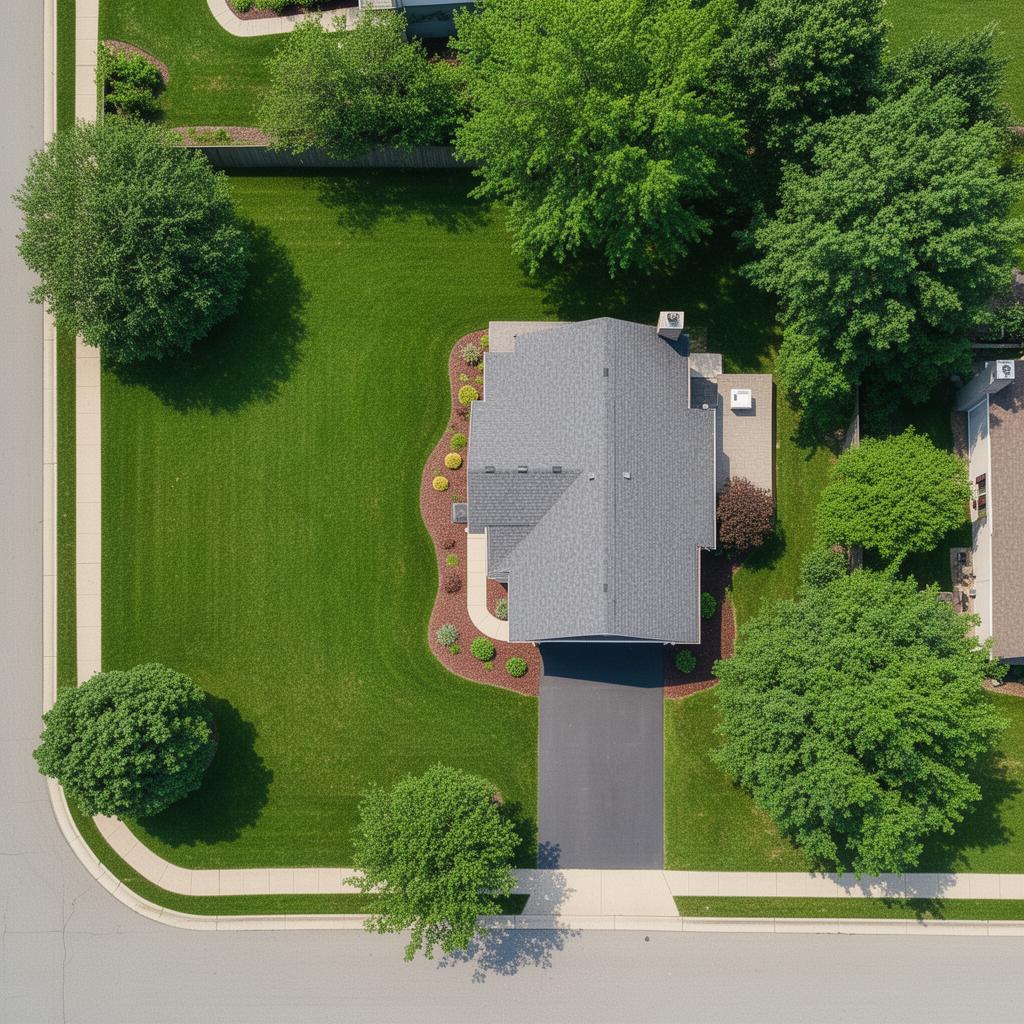
Lawns are hard to judge from the curb. Backyards hide behind fences. Odd shapes, side strips and slopes all throw the eye off, and a beds-and-driveway layout makes a yard look smaller or bigger than its mowable area. Experience helps, but it does not turn a glance into a measurement.
How to check your own lawns this week
Pick the ten lawns you have serviced longest. Measure each one, then compare the real area with what you priced. A measuring wheel works. So does a satellite tool. The point is to stop trusting the first number.
In Verdis, TurfTrace does this from your desk. Search the address, trace the lawn over satellite imagery, and get the square feet and acres. Trace the front, back and side strips separately and the areas are summed. The measurement saves with the property, so the next quote starts from a real number. What you see on site still sets the final price.
See how TurfTrace measures a lawn
What to do with the results
For new quotes, the fix is easy: measure first, then price. For existing customers who turn out to be underpriced, wait for renewal. Show the measured area, explain the new price once, and let the number do the talking. Most reasonable customers accept a price that comes with a measurement behind it.
Read how to write a quote customers say yes to
The bottom line
A guess that is a little off costs a little on every visit, on every lawn, all season. Measuring takes a few minutes per property and you only do it once. Check ten lawns this week and see what your own numbers say.
Want to measure your lawns from the office? Start your free 14-day trial at https://app.getverdis.com/onboarding