The Leaves Are Falling. Your Profit Shouldn’t Be.
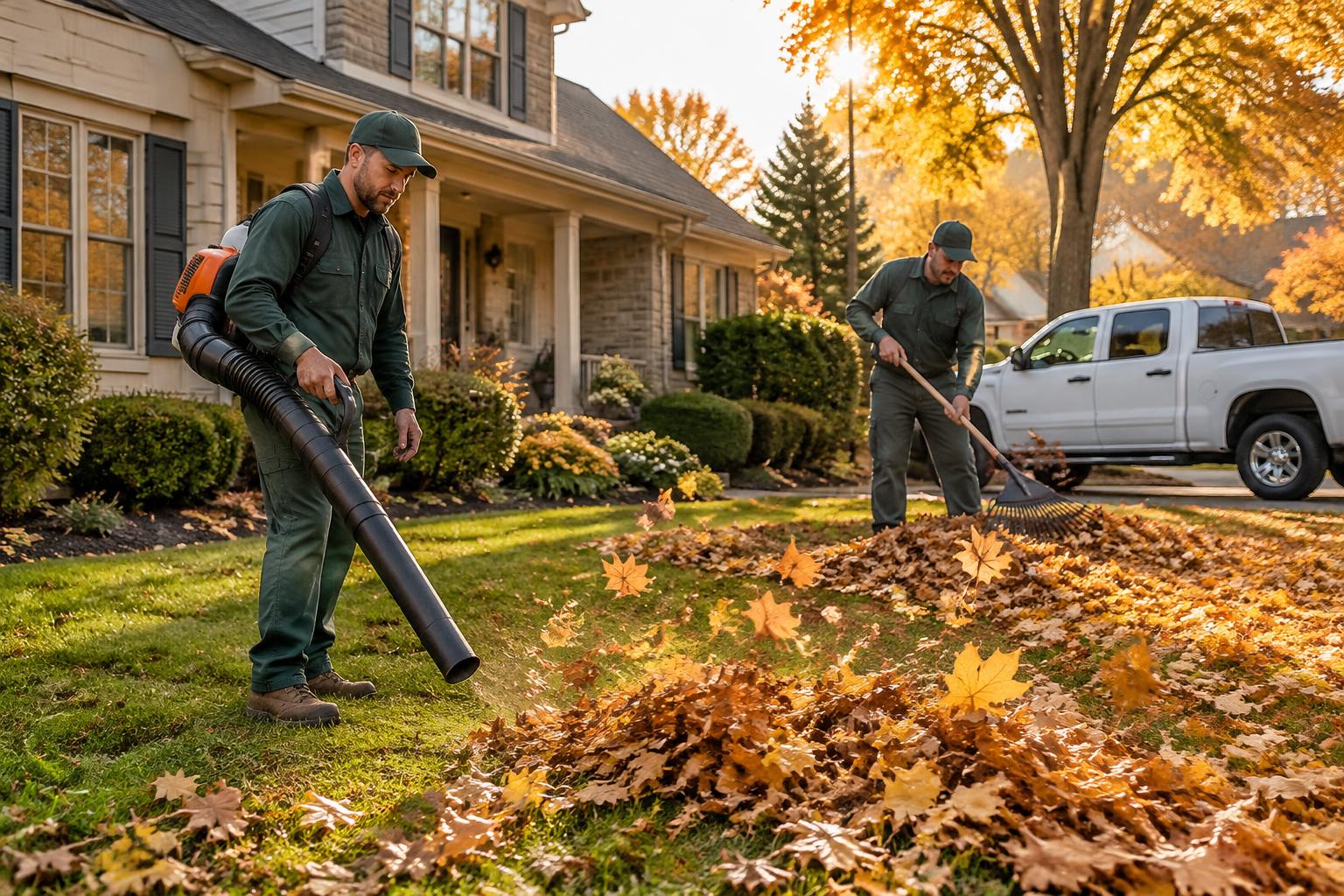
The customer points at the lawn. ‘Just the leaves,’ they say. You see the wet piles under the hedge, the narrow gate into the backyard, and the oak that hasn’t dropped half its canopy yet. There’s a cleanup here. There’s also a very easy way to spend the afternoon working for a price you guessed in the driveway.
Fall cleanup isn’t a race to book the most yards. It’s a race to finish the right work, at the right price, before weather and daylight shrink your schedule. A full calendar won’t rescue a week of underquoted jobs. Here’s how to keep the last push of the season from eating the profit you worked all summer to earn.
Before you quote the pile of leaves, quote what it takes to get that pile off the property.
1. Walk the whole property—not just the front lawn
A tidy front yard can hide a backyard full of work. Check access, slopes, beds, fences, parked cars, and where you can load debris. Ask whether leaves are coming out of planting beds, off patios, or only off the turf. Look at how much is still in the trees. Wet, compacted leaves and scattered branches change the job, even when the square footage stays the same.
Take property photos with permission and write down the details your crew needs: which gate opens, where the truck can park, and what must stay untouched. ‘Fall cleanup’ isn’t a work order. ‘Front and rear lawn, leaf removal from beds, load and haul debris, no shrub pruning’ is something a crew can actually execute.
2. Stop giving away the dump run
The work doesn’t end when the lawn looks clean. Loading, securing the load, driving to the disposal site, waiting in line, unloading, and paying disposal charges all consume time or cash. So do fuel, equipment wear, and the time spent setting up the next job.
Build your estimate around crew time, equipment, hauling, disposal, overhead, and the profit you need—not just the minutes with a blower running. Use your own costs and local disposal rules. If you offer curbside leaf placement instead of haul-away, confirm that the municipality actually collects it and that your proposed placement is allowed. Never sell a disposal plan you haven’t checked.
3. Make ‘one visit’ mean one visit
A cleaned lawn and a finished leaf season are not the same thing. If the trees are still dropping, explain that before the customer approves the quote. Otherwise, a windy night can turn yesterday’s completed job into today’s unpaid callback.
Offer a clearly scoped single cleanup or separately priced staged visits. State what each visit covers, what additional work costs, and how weather affects timing. Don’t hide the distinction in fine print. Say it plainly: this price covers the leaves present during the scheduled visit; later leaf fall is separate work.
A message you can adapt before sending the quote
‘This quote covers leaf removal from the lawn and planting beds, plus loading and haul-away, for one visit. Your trees are still dropping leaves, so a later cleanup would be quoted separately. Would you prefer one visit after most leaves are down, or a staged cleanup plan?’
Adjust that wording to the actual property and your agreement. The point isn’t to sound formal. It’s to give the customer a choice without accidentally promising unlimited work.
4. Sell the street, not scattered appointments
An attractive cleanup across town can be less useful than a fair-priced job next door to an existing customer. Drive time, trailer access, daylight, and disposal runs all shape how much work your crew can finish. Group nearby jobs where practical, and keep space in the schedule for weather-related moves.
When you contact existing customers, offer a proposed service window in their area rather than promising everyone an exact day before you’ve built the route. Only claim limited availability when it’s true. A straightforward message—‘We’re scheduling fall cleanups in your neighborhood next week; would you like an estimate?’—beats manufactured urgency.
5. Close the job before you leave the driveway
Before the crew packs up, check the agreed scope, capture completion photos with permission, and record any extra work the customer approved. If the customer asks for something new halfway through the visit, agree on the price before doing it. ‘While you’re here’ is a request, not automatic permission to expand the job for free.
Then send an invoice that matches the approved work and clearly states the payment terms. Keeping customer details, quotes, job information, and invoices together is where a landscaping CRM like Verdis can help. The benefit isn’t a magic profit button. It’s less hunting through messages to remember what you promised and what still needs billing.
Your next cleanup is a chance to fix the process
After the job, compare the time you estimated with the time it actually took—including loading and disposal. Note what slowed things down. Was it wet leaf volume, difficult access, an extra trailer load, or a scope detail you missed? Use that lesson on the next estimate instead of treating every long day as bad luck.
You don’t need to rebuild your entire business before winter. Start with the next quote: inspect the property, count the whole job, define the visit, and invoice the work you agreed to do. Leaves will keep falling. Your margin doesn’t have to fall with them.
Fall cleanup estimating: common questions
How should a landscaping business price fall cleanup?
Base the estimate on the property’s actual conditions and your costs: crew time, equipment, hauling, disposal, overhead, and target profit. Lawn size is useful, but leaf volume, moisture, access, and the number of visits can change the work substantially. There isn’t one universal rate that fits every property.
Should leaf hauling be included in the estimate?
If you’re providing haul-away, account for it in the price and describe it in the scope. An inclusive total or a separate hauling line can both work. What matters is that the customer knows whether debris leaves the property and that the disposal work isn’t an unpriced extra.
What if more leaves fall after the cleanup?
Follow the agreed scope. A single-visit cleanup should explain how later leaf fall is handled; a staged plan should define its visits and pricing. Discuss that distinction before approval, not after the customer calls about new leaves.
Can landscaping software help organize fall cleanup jobs?
Yes. Keeping quotes, customer details, scheduling, and invoices together can make seasonal jobs easier to organize. Software supports the process, but you still need to inspect the property, set the scope, and price the work accurately.
Next step
Keep building your pricing system.
Use a calculator, a quoting workflow, or a pricing tool to turn the advice into a number you can actually send to a customer.
Ready to run your business, not just survive it?
Verdis gives you quotes, scheduling, invoicing, and CRM in one place — built for landscapers.
Start Your Free Trial